The Silent Harm of Comparing Kids
Why Comparing Children Can Quietly Damage Confidence
As parents, teachers, or caregivers, we often compare children without realizing the emotional impact it can have.
“Why can’t you be more like your brother?”
“Look how well she studies.”
“Your friend is much more confident.”
Most of the time, these words come from good intentions. Adults want children to improve, become more motivated, or learn from others. But repeated comparison can slowly damage a child’s confidence in ways that are difficult to notice at first.
Comparison Changes How Children See Themselves
Children naturally look to adults for validation. When they constantly hear comparisons, they may begin to believe:
- “I’m not good enough.”
- “I’ll never be as smart as others.”
- “Love and approval must be earned.”
Instead of feeling encouraged, they may feel inferior, anxious, or emotionally disconnected.
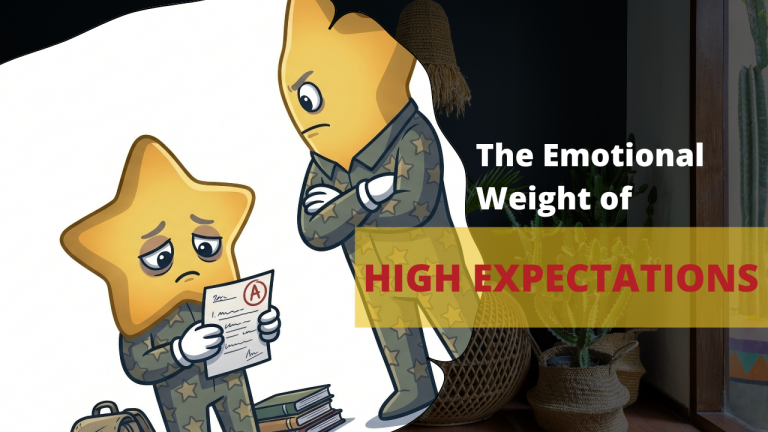
Over time, comparison can reduce self-esteem and create fear of failure. Some children stop trying altogether because they believe they will never measure up.
Every Child Develops Differently
Each child has different strengths, personalities, interests, and learning styles.
One child may excel academically.
Another may be creative, empathetic, resilient, or socially confident.
When we compare children using the same standard, we unintentionally ignore their individuality.
True confidence grows when children feel accepted for who they are — not only for how they perform compared to someone else.
Encouragement Works Better Than Comparison
Children respond far better to encouragement than criticism disguised as motivation.
Instead of saying:
“Why can’t you be like your classmate?”
Try saying:
“I can see your effort improving.”
Instead of focusing on what another child is doing better, focus on the child’s own growth and progress.
Small supportive words can build emotional security, resilience, and confidence that lasts for years.
What Children Really Need
Children do not need to be perfect.
They need to feel:
- Seen
- Heard
- Supported
- Safe to make mistakes
Confidence grows when children believe:
“I am valued even while I am still learning.”
That belief can shape how they approach challenges, relationships, education, and life itself.
Final Thoughts
Comparing children may seem harmless, especially when done with good intentions. But repeated comparison can quietly create self-doubt and emotional pressure.
A child who feels understood will often grow further than a child who constantly feels measured against others.
The goal is not to raise children who are “better than others.”
The goal is to raise children who believe in themselves.
About Du Học Tinh Tú
At Du Học Tinh Tú, we believe education is not only about academic success, but also about helping students build confidence, independence, and personal growth for the future.
We support Vietnamese students and families with:
- Study abroad consultation
- School selection guidance
- Visa application support
- Career orientation
- Parent and student counseling
- International education updates
Contact Information
📍 Du Học Tinh Tú
🌐 Official Website
📞 Hotline: 08.1222.9188
📧 Email: duhoctinhtu@gmail.com/ contact@duhoctinhtu.com
Mời khách hàng bình luận / đặt câu hỏi qua chức năng MESSENGER & ZALO
Các tin khác