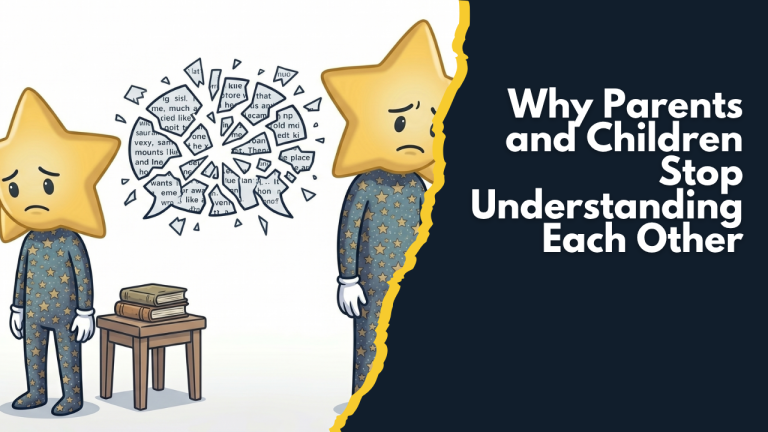

What Healthy Communication Really Looks Like in a Family
Every family wants love, trust, and connection.
But in real life, communication is not always easy.
Parents become stressed from work and responsibilities.
Children struggle with emotions, school pressure, and feeling misunderstood.
Small conversations quickly turn into arguments, silence, or emotional distance.
Over time, many families stop truly listening to each other.
So what does healthy communication actually look like?
Healthy Communication Is Not About Being Perfect
Many people think healthy families never argue or disagree.
That is not true.
Even strong families experience conflict, frustration, and misunderstandings.
The difference is how they respond during difficult moments.
Healthy communication means:
- Listening without immediately judging
- Speaking calmly instead of attacking
- Respecting emotions on both sides
- Trying to understand before reacting
It is not about winning an argument.
It is about protecting the relationship.
Listening Is More Powerful Than Advice
Parents often want to help their children by giving solutions quickly.
But sometimes children are not asking for answers.
They simply want someone to listen.
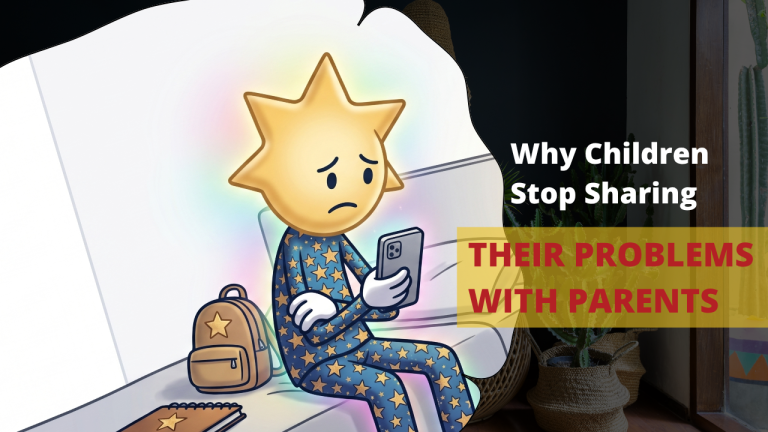
When children feel interrupted, criticized, or ignored repeatedly, they slowly stop opening up emotionally.
Real listening creates emotional safety.
Simple phrases can make a huge difference:
- “I understand how you feel.”
- “Tell me more.”
- “I’m listening.”
- “Thank you for sharing that with me.”
Feeling heard builds trust over time.
Calm Conversations Create Stronger Relationships
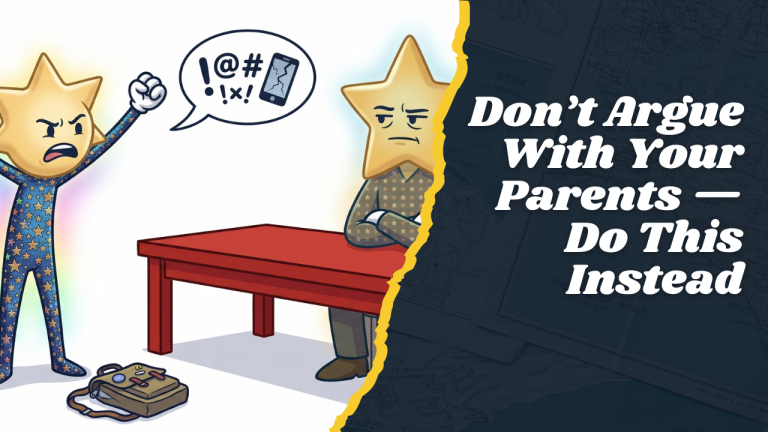
Communication becomes unhealthy when conversations are driven by anger, fear, or defensiveness.
Yelling may create silence temporarily, but it rarely creates understanding.
Healthy families learn to pause before reacting emotionally.
Instead of:
“You never listen!”
They learn to say:
“I feel hurt when we don’t understand each other.”
This small change reduces blame and increases connection.
Emotional Safety Matters for Children
Children communicate more openly when they feel emotionally safe.
That means:
- They can express feelings honestly
- They are not constantly afraid of judgment
- Mistakes become learning opportunities instead of personal failures
When children feel respected, they become more willing to listen as well.
Respect works both ways.
Healthy Communication Is Built Through Small Daily Habits
Strong family communication does not happen in one big moment.
It is built slowly through consistent small actions:
- Putting phones away during conversations
- Eating meals together without distractions
- Asking about each other’s day
- Listening fully before responding
- Spending quality time together regularly
Small moments of attention often matter more than long speeches.
Conflict Can Still Lead to Connection
Healthy communication does not mean avoiding disagreement.
It means learning how to reconnect afterward.
Sometimes the most powerful family conversations begin with:
- “I’m sorry.”
- “I misunderstood you.”
- “Let’s talk again calmly.”
These moments teach children emotional maturity, empathy, and trust.
Final Thoughts
Every family will face difficult conversations.
But healthy communication begins when people stop trying to “win” and start trying to understand each other.
Parents and children both want the same thing:
love, connection, acceptance, and support.
When families learn to listen with patience and speak with respect, relationships become stronger, safer, and more meaningful.
Because in the end, healthy communication is not about perfection.
It is about making each other feel seen, heard, and valued.
DU HỌC TINH TÚ
Supporting students and families through education, emotional growth, and meaningful communication.
📞 Phone: 08.1222.9188
📧 Email: contact@duhoctinhtu.com/ duhoctinhtu@gmail.com
🌐 Website: duhoctinhtu.com
Mời khách hàng bình luận / đặt câu hỏi qua chức năng MESSENGER & ZALO
Các tin khác