Why Parents and Children Stop Understanding Each Other
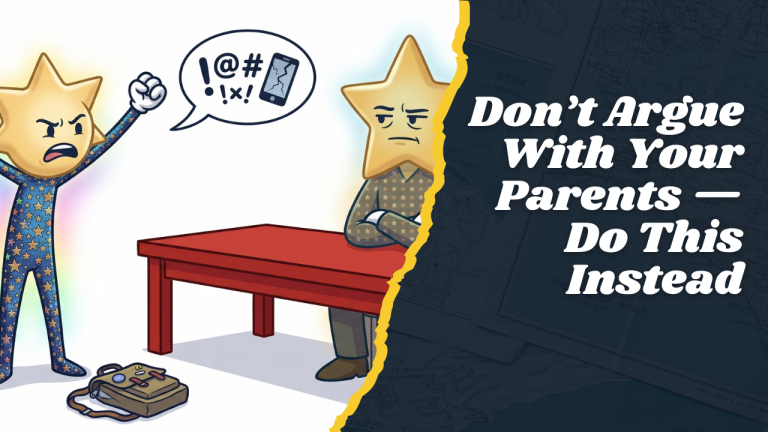
In many families today, parents and children live in the same house, eat at the same table, and see each other every day — yet still feel emotionally distant.
Conversations become shorter. Small disagreements become arguments. Over time, both sides begin to feel misunderstood.
So what actually causes this communication gap?
1. Listening Is Replaced by Reacting
Many conversations between parents and children turn into quick reactions instead of real listening.
A child tries to explain a feeling.
The parent immediately gives advice, correction, or judgment.
Parents often want to protect and guide their children, but sometimes children simply want to feel heard first.
When people feel unheard repeatedly, they slowly stop sharing.
2. Technology Creates Invisible Distance
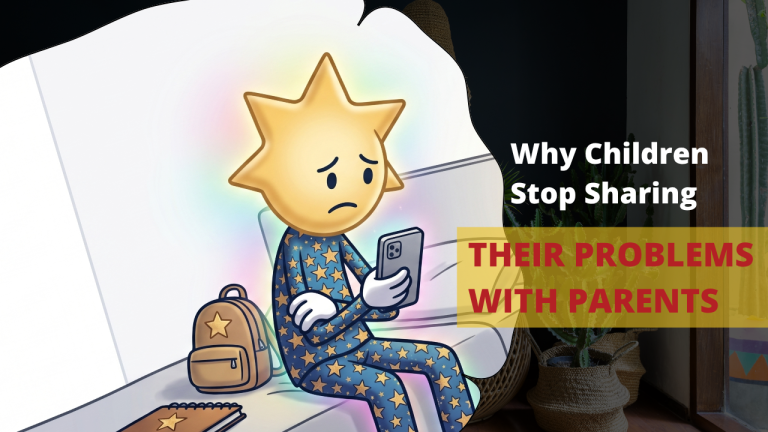
Phones, laptops, social media, and busy schedules constantly compete for attention.
A child may want to talk after school.
A parent may already be exhausted from work.
Even when families spend time together physically, emotional connection can disappear when everyone is focused on screens instead of each other.
Small moments of attention matter more than many people realize.
3. Different Generations Think Differently
Parents and children grow up in completely different environments.
Parents may value discipline, stability, and obedience.
Children today face social pressure, online comparison, and fast-changing expectations.
Because their experiences are different, both sides often assume the other “just doesn’t understand.”
But misunderstanding does not mean lack of love.
4. Fear Stops Honest Communication
Many children avoid talking because they fear criticism, punishment, or disappointment.
At the same time, many parents fear losing control, losing respect, or watching their child make mistakes.
As fear grows, honest communication becomes harder.
Instead of expressing emotions openly, both sides begin hiding frustration inside.
5. Communication Improves When People Feel Safe
The strongest family relationships are not built on perfect behavior.
They are built on emotional safety.
Children open up more when they feel respected.
Parents communicate better when they feel appreciated instead of rejected.
Sometimes the most powerful sentence is simply:
“I understand how you feel.”
Small Changes That Make a Big Difference
Good communication does not require perfect parenting or perfect children.
Small habits can slowly rebuild connection:
- Put phones away during conversations
- Listen fully before giving advice
- Ask questions calmly instead of accusing
- Spend small moments together consistently
- Focus on understanding, not winning arguments
These simple actions create trust over time.
Final Thoughts
Parents and children usually want the same thing:
love, connection, understanding, and support.
But when stress, technology, fear, and assumptions take over, communication becomes difficult.
The good news is this:
Connection can always be rebuilt.
Sometimes one calm conversation, one moment of listening, or one honest apology is enough to start healing a relationship again.
DU HỌC TINH TÚ
Supporting students and families through education, communication, and personal growth.
📞 Phone: 08.1222.9188
📧 Email: contact@duhoctinhtu.com
🌐 Website: www.duhoctinhtu.com
Mời khách hàng bình luận / đặt câu hỏi qua chức năng MESSENGER & ZALO
Các tin khác