Why Children Stop Sharing Their Problems With Parents
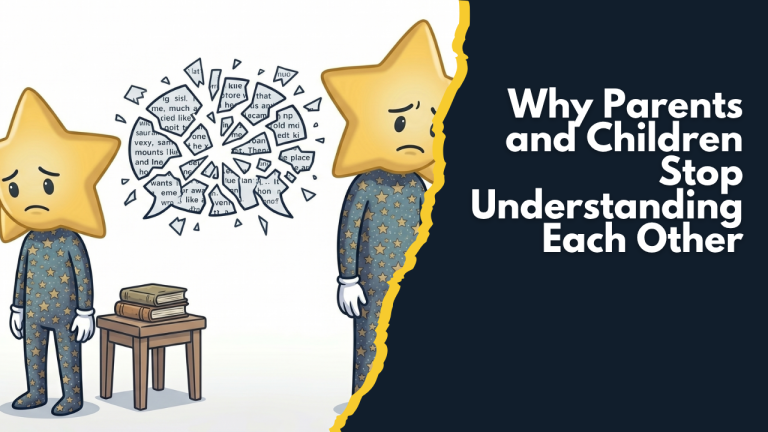
Many parents believe their children will naturally come to them whenever something is wrong.
But in reality, many children slowly stop sharing their thoughts, emotions, and problems over time.
Not because they do not love their parents.
But because somewhere along the way, communication stopped feeling emotionally safe.
Children Usually Stop Sharing Gradually
It rarely happens suddenly.
At first, children may try to talk about:
- School stress
- Friend problems
- Personal fears
- Mistakes they made
- Emotional struggles
But if they repeatedly feel ignored, criticized, interrupted, or judged, they slowly begin keeping things to themselves.
Eventually, silence becomes easier than vulnerability.
Fear of Judgment Creates Emotional Distance
Many children are afraid of disappointing their parents.
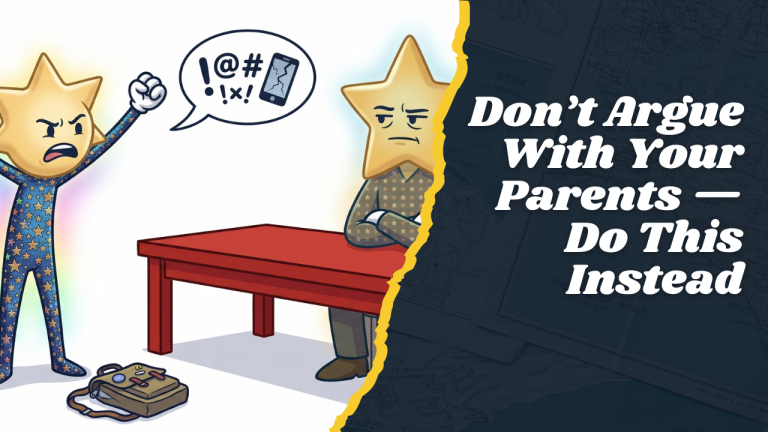
When every mistake leads to anger, lectures, or punishment, children begin hiding problems instead of discussing them honestly.
They may think:
- “They won’t understand me.”
- “I’ll get in trouble.”
- “They’ll just criticize me.”
- “It’s safer to stay quiet.”
Over time, emotional trust weakens.
Listening Matters More Than Immediate Advice
Parents naturally want to solve problems quickly.
But sometimes children are not asking for solutions right away.
They first want:
- Understanding
- Emotional support
- Patience
- A safe space to speak honestly
When parents immediately interrupt or lecture, children may feel their emotions are being dismissed.
Real listening builds emotional connection.
Busy Lives Can Create Silent Distance
Modern life is full of distractions:
- Phones
- Work stress
- School pressure
- Social media
- Constant schedules
Families may spend time together physically while becoming emotionally disconnected.
Small moments of attention matter deeply to children.
A short calm conversation can sometimes mean more than hours spent in the same room without connection.
Emotional Safety Helps Children Open Up
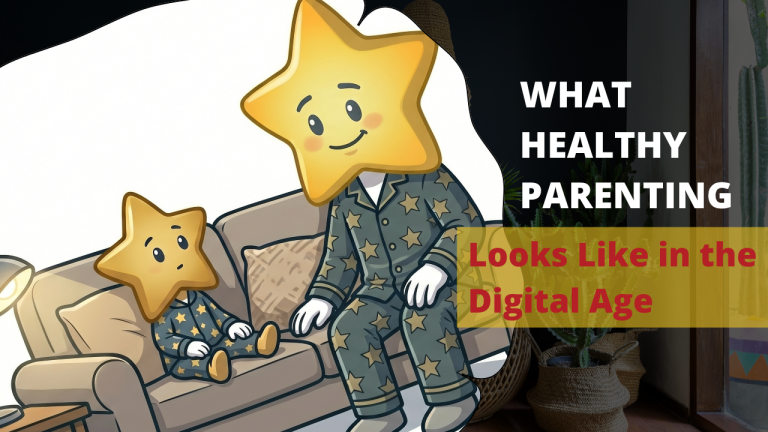
Children communicate more honestly when they feel safe.
That means:
- They can make mistakes without fear
- Their feelings are respected
- They are not constantly judged
- Conversations stay calm even during problems
When children trust that parents will listen calmly, they become more willing to share difficult emotions.
What Parents Can Do Differently
Strong communication does not require perfect parenting.
Small changes make a big difference:
- Listen fully before reacting
- Stay calm during difficult conversations
- Ask questions instead of assuming
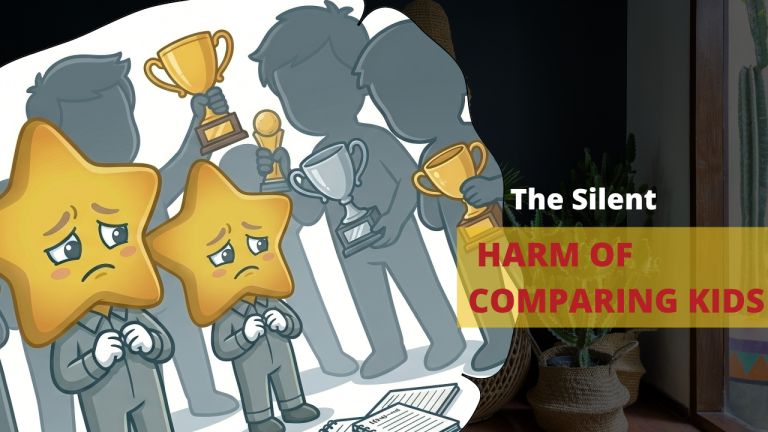
- Avoid comparing children to others
- Focus on understanding before giving advice
- Remind children they are loved beyond mistakes
Sometimes the most powerful sentence is:
“You can always talk to me.”
Final Thoughts
Most children want emotional connection with their parents.
But communication slowly disappears when fear becomes stronger than trust.
Children do not need perfect parents.
They need parents who listen, understand, and create emotional safety during difficult moments.
Because when children feel safe enough to speak honestly, families grow stronger together.
DU HỌC TINH TÚ
Supporting students and families through education, emotional growth, and meaningful communication.
📞 Phone: 08.1222.9188
📧 Email: contact@duhoctinhtu.com
🌐 Website: www.duhoctinhtu.com
Mời khách hàng bình luận / đặt câu hỏi qua chức năng MESSENGER & ZALO
Các tin khác